






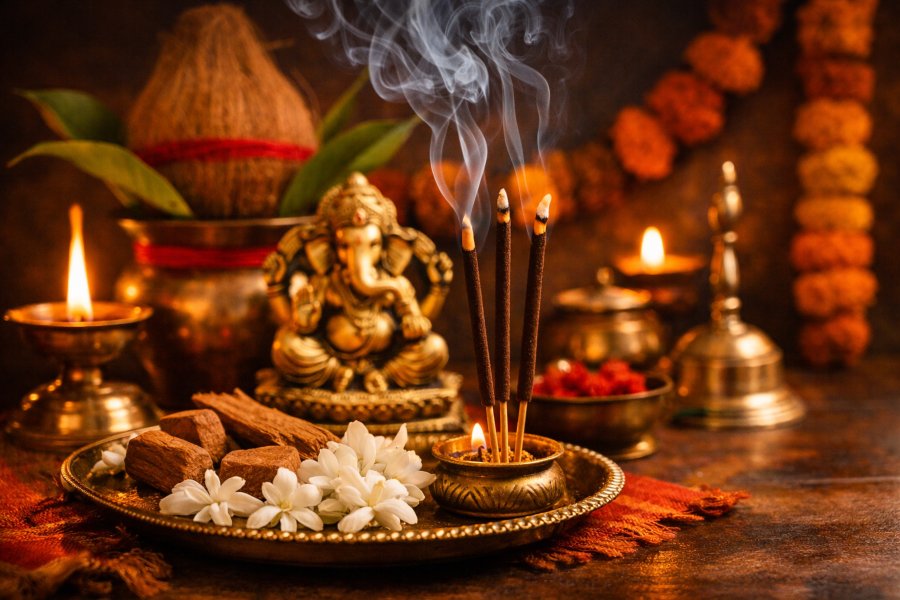
Incense Sticks in Indian Culture: A Timeless Spiritual Practice
Incense sticks have been an inseparable part of Indian culture for thousands of years. From ancient Vedic rituals to modern household prayers, the gentle fragrance of incense creates a sacred atmosphere that connects the physical world with the spiritual realm. In Indian tradition, burning incense is not merely a sensory pleasure but a conscious spiritual act meant to purify space, elevate the mind, and invite positive energies. Even today, high-quality offerings like Mayapur incense sticks continue this sacred legacy by blending devotion, tradition, and purity into everyday worship.
Across temples, homes, yoga spaces, and meditation halls, incense sticks symbolize respect, surrender, and inner awakening. Their slow-burning nature represents patience, discipline, and the gradual journey of the soul toward higher consciousness. This timeless practice has survived centuries because it fulfills both spiritual and psychological needs—creating calmness, focus, and divine presence. To truly understand why incense remains so deeply rooted in Indian culture, we must explore its historical origins, spiritual symbolism, ritual importance, and relevance in modern life.
Ancient Origins of Incense in Indian Civilization
The use of incense in India dates back to the early Vedic period, making it one of the oldest spiritual practices in human history. Ancient scriptures describe aromatic substances like herbs, resins, flowers, and woods being offered into sacred fires during yajnas and havans. These aromatic offerings were believed to carry prayers to the divine realms through subtle vibrations. Incense was not seen as decoration but as a spiritual medium that purified both the environment and the human mind.
In early Indian civilization, fragrance was closely associated with purity and divinity. Sacred spaces were defined not only by mantras and rituals but also by aroma. The presence of incense signified that a place had been spiritually activated. Ashrams, gurukuls, and temples relied on natural incense blends made from forest ingredients, emphasizing harmony with nature.
This ancient knowledge highlights how Indian culture always viewed the senses as gateways to spiritual elevation. Incense engaged the sense of smell to support concentration, devotion, and inner awareness. The continuity of this practice across millennia proves its effectiveness and deep cultural relevance.
Spiritual Symbolism of Incense Sticks in Hindu Philosophy
In Hindu philosophy, every ritual object carries symbolic meaning, and incense sticks are no exception. The rising smoke of incense represents the soul’s aspiration to rise above material limitations and reach higher consciousness. As the incense burns away, it reminds devotees of impermanence and the importance of surrendering ego and attachments.
Fragrance plays a subtle role in influencing the mind. In Indian thought, a calm mind is essential for spiritual realization. Incense helps settle mental disturbances and creates a sattvic atmosphere conducive to prayer and meditation. This is why incense is lit before chanting mantras, performing puja, or reading sacred texts.
The act of offering incense also signifies respect and hospitality toward the divine. Just as guests are welcomed with pleasant fragrances, deities are honored with incense as an expression of love and devotion. This symbolic gesture reinforces the emotional bond between the devotee and the divine presence.
Role of Incense in Daily Puja and Temple Rituals
Daily worship in Indian households often begins with lighting a lamp and incense. This simple act marks the transition from ordinary activities to sacred time. Incense purifies the space, aligns the mind, and signals readiness for prayer. In temples, incense is used repeatedly throughout the day during various rituals, reinforcing continuity of devotion.
In large temples, the combined fragrance of incense, flowers, and oils creates a powerful spiritual atmosphere that deeply impacts devotees. Many people associate specific temple experiences with particular scents, showing how incense leaves lasting emotional and spiritual impressions.
Incense also plays a role in marking auspicious beginnings. Whether it is a new home, business, or festival, incense is lit to invoke divine blessings. Its consistent use in rituals strengthens faith and preserves cultural continuity across generations.
Incense and Ayurveda: Balancing Mind and Environment
Indian tradition does not separate spirituality from well-being. Ayurveda recognizes the influence of aromas on mental and emotional health. Natural incense made from herbs, resins, and essential oils is believed to balance doshas and promote mental clarity.
Certain fragrances are known to calm anxiety, improve focus, and uplift mood. This is why incense is widely used during meditation and yoga practices. In traditional Indian homes, incense was also used to refresh living spaces naturally, long before chemical air fresheners existed.
This holistic understanding explains why incense has remained relevant even in modern wellness practices. It supports emotional balance while maintaining spiritual harmony, making it a powerful tool for daily life.
Cultural Diversity of Incense Across Indian Regions
India’s cultural diversity is reflected in its incense traditions. Different regions use distinct ingredients and fragrances based on local resources and customs. Southern India favors temple-style incense with strong, devotional aromas, while Eastern India often prefers softer floral blends.
In Himalayan regions, resin-based incense is common, whereas coastal areas incorporate aromatic woods and spices. Despite these variations, the underlying spiritual intention remains the same—to create purity, focus, and divine connection.
This regional diversity enriches Indian culture and shows how incense adapts while preserving its sacred essence. Each fragrance carries stories of local traditions and spiritual expressions.
Incense in Festivals and Sacred Celebrations
Indian festivals are incomplete without incense. During celebrations like Diwali, Navratri, and Janmashtami, incense fills homes and temples, amplifying spiritual energy. The fragrance signifies joy, devotion, and divine presence.
Festivals mark moments of collective prayer and gratitude, and incense plays a vital role in uniting participants emotionally and spiritually. Its aroma becomes a sensory memory associated with sacred moments, strengthening cultural identity.
This festive usage highlights incense as a symbol of auspiciousness and spiritual abundance, deeply woven into India’s social fabric.
Modern Relevance of Incense in Contemporary Indian Life
Despite modernization, incense remains relevant in Indian households and spiritual spaces worldwide. Many people turn to incense to reduce stress, improve focus, and reconnect with inner peace amid busy lifestyles.
Modern incense blends combine traditional knowledge with contemporary preferences, ensuring continuity without losing authenticity. This balance allows ancient wisdom to remain accessible to newer generations.
The continued demand for incense shows that spiritual practices rooted in simplicity and sensory harmony never lose their value.
Why Incense Sticks Remain Timeless in Indian Culture
Incense sticks endure because they serve both spiritual and emotional needs. They connect past and present, tradition and modernity, ritual and mindfulness. Their gentle presence reminds individuals to pause, reflect, and align with higher values.
In Indian culture, incense is not an accessory—it is a silent guide toward inner clarity and devotion. Its timelessness lies in its ability to adapt while preserving sacred meaning, making it an eternal companion on the spiritual path.
Final Thoughts
Incense sticks represent India’s deep spiritual heritage and holistic worldview. From ancient rituals to modern meditation spaces, they continue to inspire calmness, devotion, and inner awareness. As long as humanity seeks peace and connection beyond the material world, incense will remain a timeless spiritual practice in Indian culture.


