

Who Was the Greatest Warrior in the Mahabharata? Strength, Skill, Strategy, and Dharma Compared
Introduction: Defining “Greatest” in a War of Legends
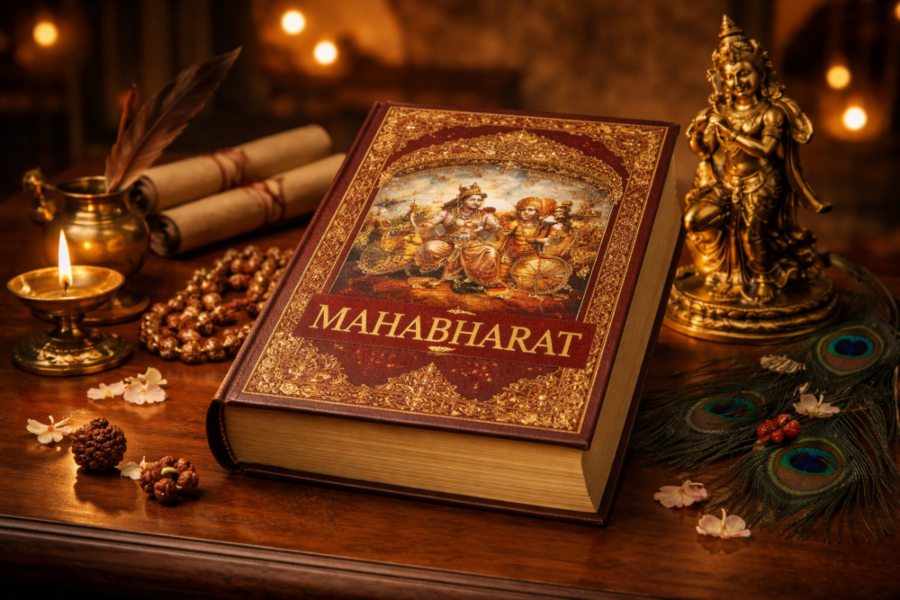
The Mahabharata is the largest epic ever composed, and its battlefield at Kurukshetra was home to warriors whose abilities surpassed ordinary human limits. From invincible commanders to unmatched archers, the epic presents multiple claimants to the title of the greatest warrior.
This leads to a timeless debate:
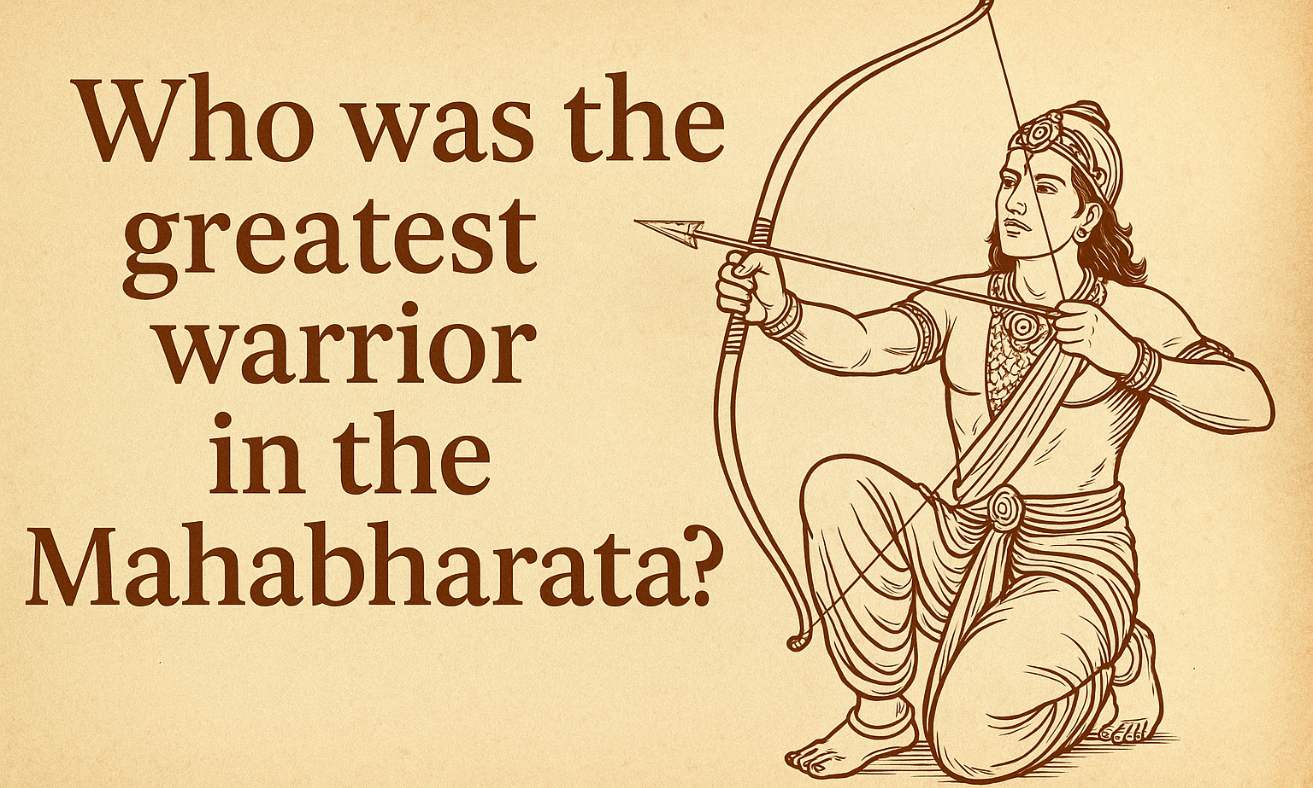
Who was the greatest warrior in the Mahabharata?
Was it Bhishma, the unconquerable grand sire?
Was it Arjuna, the peerless archer?
Was it Karna, the tragic hero of unmatched generosity?
Was it Drona, the master teacher?
Or was it Krishna, who fought without weapons?
To answer this question honestly, we must define what “greatest” truly means—not just strength, but skill, courage, consistency, moral clarity, and impact on the war.
who wrote mahabharata – Read Now
What Makes a Warrior “Great” in the Mahabharata?
Before ranking warriors, it is essential to understand the criteria used in the epic itself.
A great warrior in the Mahabharata is judged by:
- Mastery of weapons and warfare
- Ability to defeat equally powerful opponents
- Mental strength and discipline
- Strategic intelligence
- Alignment with dharma
- Influence on the outcome of the war
With this lens, we examine the greatest warriors of Kurukshetra.
Bhishma: The Unconquerable Grand Warrior
Why Bhishma Is Considered One of the Greatest
Bhishma, the son of King Shantanu, was:
- Blessed with iccha-mrityu (the power to choose his time of death)
- Trained by Parashurama himself
- Feared and respected by both armies
For the first ten days of the war, Bhishma was unstoppable. The Pandavas were unable to defeat him directly.
Bhishma’s Strengths and Limitations
Strengths:
- Immense physical power
- Mastery over all weapons
- Experience unmatched by any other warrior
Limitations:
- Bound by vows
- Refused to kill the Pandavas
- Chose loyalty over righteousness
Bhishma was invincible in combat but restrained by his own ethics.
Drona: The Master of Warfare
The Teacher Who Shaped Legends
Dronacharya was:
- The guru of Arjuna, Karna, and the Kauravas
- A master of celestial weapons
- A brilliant military commander
His strategic formations caused massive casualties among the Pandava army.
Why Drona Falls Short
Despite his brilliance:
- He fought for a cause he knew was unjust
- His emotional weakness toward his son Ashwatthama led to his downfall
Drona represents technical greatness, but not moral supremacy.
Karna: The Tragic Warrior of Unmatched Valor
Karna’s Extraordinary Abilities
Karna was:
- Born with divine armor and earrings
- Trained by Parashurama
- Equal to Arjuna in skill
His generosity and fearlessness earned him immense respect.
Why Karna Was Not the Greatest
Despite his power:
- Karna supported adharma knowingly
- He failed at critical moments due to curses
- His loyalty blinded his judgment
Karna was heroic and powerful, but greatness in the Mahabharata demands moral awareness.
Buy Now the Mahabharata Books from ISKCON Mayapur Store
Bhima: The Warrior of Raw Strength
Bhima’s Physical Might
Bhima was:
- Stronger than any warrior on the battlefield
- Responsible for killing most of the Kaurava brothers
- The slayer of Duryodhana
Bhima’s Role
Bhima’s greatness lies in:
- Physical dominance
- Fearlessness
- Loyalty
However, Bhima lacked subtle strategy and relied on strength rather than skill.
Arjuna: The Peerless Archer
Why Arjuna Is Often Called the Greatest Warrior
Arjuna stands out because:
- He defeated Bhishma, Drona, Karna, and Jayadratha
- He possessed celestial weapons
- He remained composed under pressure
- He fought with divine guidance
Arjuna was trained by:
- Drona
- Indra
- Shiva (who granted him the Pashupatastra)
Arjuna’s Battlefield Supremacy
Arjuna:
- Broke impossible battle formations
- Defeated Karna in direct combat
- Was trusted by Krishna himself
No warrior faced more powerful enemies and survived.
Krishna: The Warrior Without Weapons
A Different Kind of Greatness
Krishna did not fight with weapons, yet:
- Controlled the entire war’s direction
- Saved Arjuna repeatedly
- Broke rules to protect dharma
Krishna’s strength was strategic and moral, not physical.
Comparing the Greatest Warriors
| Warrior | Skill | Power | Strategy | Dharma | Overall Impact |
| Bhishma | ⭐⭐⭐⭐⭐ | ⭐⭐⭐⭐⭐ | ⭐⭐⭐ | ⭐⭐ | ⭐⭐⭐⭐ |
| Drona | ⭐⭐⭐⭐⭐ | ⭐⭐⭐⭐ | ⭐⭐⭐⭐ | ⭐⭐ | ⭐⭐⭐ |
| Karna | ⭐⭐⭐⭐⭐ | ⭐⭐⭐⭐ | ⭐⭐⭐ | ⭐⭐ | ⭐⭐⭐ |
| Bhima | ⭐⭐⭐ | ⭐⭐⭐⭐⭐ | ⭐⭐ | ⭐⭐⭐ | ⭐⭐⭐ |
| Arjuna | ⭐⭐⭐⭐⭐ | ⭐⭐⭐⭐ | ⭐⭐⭐⭐⭐ | ⭐⭐⭐⭐ | ⭐⭐⭐⭐⭐ |
So, Who Was the Greatest Warrior in the Mahabharata?
Final Answer
Arjuna was the greatest warrior in the Mahabharata, because:
- He defeated every other major warrior
- He combined skill, discipline, courage, and strategy
- He fought with moral clarity under Krishna’s guidance
- He endured the greatest trials and emerged victorious
While Bhishma was invincible, Karna was heroic, and Drona was brilliant—Arjuna surpassed them all in overall greatness.
What the Mahabharata Teaches About True Strength
The epic teaches us:
- Power without wisdom leads to destruction
- Skill must be guided by dharma
- True greatness balances ability and responsibility
Arjuna represents this balance.
Why This Question Still Matters Today
In modern life, we admire:
- Talent
- Power
- Success
But the Mahabharata reminds us:
The greatest warrior is not the one who never falls—but the one who rises with righteousness.
Conclusion: The Greatest Warrior Was More Than a Fighter
The Mahabharata does not glorify violence—it examines human capability under moral pressure.
Among all warriors:
- Bhishma had invincibility
- Karna had valor
- Drona had knowledge
- Bhima had strength
But Arjuna had balance.
And that balance makes Arjuna the greatest warrior of the Mahabharata.